Research Article | | Peer-Reviewed

Patterns of Presentation and Surgical Management of Thyroid Swellings with Suspected Malignancy

Received: 25 April 2026     Accepted: 8 May 2026     Published: 19 May 2026
Views:       Downloads:
Abstract

Background: Thyroid swelling is a common clinical problem and may arise from benign or malignant conditions. Although most thyroid swellings are benign, a significant proportion may harbor malignancy, requiring timely diagnosis and appropriate surgical management. Objective: To evaluate the patterns of presentation and surgical management of thyroid swellings with suspected malignancy. Methods: This observational cross-sectional study was conducted in the Department of ENT and Head neck- surgery, Rajshahi Medical College Hospital, Rajshahi, Bangladesh from June 2014 to December 2014. A total of 50 patients with clinically and ultrasonographically diagnosed thyroid swelling who subsequently underwent thyroidectomy were included. Detailed history, clinical examination, thyroid function tests, ultrasonography, Fine Needle Aspiration Cytology (FNAC), and histopathological examination were performed. Data were analyzed using descriptive statistics. Results: The age of the patients ranged from 11 to 59 years, with the highest frequency in the 31–40 years age group (40%). Females predominated (84%), with a female to male ratio of 5.25: 1. Neck swelling was present in all patients, while dysphagia (8%), pain (6%), and dyspnoea (2%) were less common. Multinodular goitre was the most frequent type of thyroid swelling (68%), followed by solitary nodular goitre (30%). Ultrasonography revealed solid nodules in 70% cases. FNAC showed colloid goitre in 76% cases. Histopathology confirmed benign lesions in 86% and malignant lesions in 14% cases. Papillary carcinoma was the commonest malignancy (85.71%). Hemithyroidectomy was the most common surgery (60%). Conclusion: Most thyroid swellings were benign; however, a considerable proportion were malignant. Careful preoperative evaluation and appropriate surgical management are essential for early diagnosis and better outcomes.

Published in International Journal of Otorhinolaryngology (Volume 12, Issue 1)
DOI 10.11648/j.ijo.20261201.16
Page(s) 31-39
Creative Commons

This is an Open Access article, distributed under the terms of the Creative Commons Attribution 4.0 International License (http://creativecommons.org/licenses/by/4.0/), which permits unrestricted use, distribution and reproduction in any medium or format, provided the original work is properly cited.

Copyright

Copyright © The Author(s), 2026. Published by Science Publishing Group

Keywords

Thyroid Swelling, Goitre, Thyroid Malignancy, FNAC, Thyroidectomy, Papillary Carcinoma

1. Introduction
Thyroid swelling, commonly referred to as goiter, remains a significant global health problem and continues to be an important cause of surgical consultation worldwide. Enlargement of the thyroid gland may result from iodine deficiency, autoimmune disease, inflammation, congenital causes, and benign or malignant neoplasms. Among these, iodine deficiency remains the most common preventable cause of thyroid enlargement, particularly in developing countries and historically endemic regions. According to the World Health Organization, approximately 1.6 billion people are at risk of iodine deficiency disorders, and nearly 655 million people are affected by goiter worldwide, with a substantial proportion residing in South-East Asia. .
Although many thyroid swellings are benign, the possibility of malignancy remains a major clinical concern. Thyroid cancer is the most common endocrine malignancy and accounts for approximately 1% of all human cancers. The worldwide prevalence of goiter in the general population has been estimated at 4–7%, while malignancy may be present in nearly 10% of goitrous thyroid glands. Some investigators have suggested that long-standing nodular goiter may act as a precursor lesion for malignant transformation in selected cases. Therefore, careful evaluation of thyroid swelling is essential, especially when suspicious clinical features are present.
The risk of malignancy is influenced by several demographic and clinical factors. Thyroid carcinoma is more common in females, although malignant nodules in males often carry a higher risk of aggressive pathology. Increased incidence has also been observed in endemic goiter zones, suggesting a possible association between iodine deficiency and thyroid neoplasia. Solitary thyroid nodules are generally considered more suspicious than multinodular goiter, and the frequency of carcinoma is reported to be nearly twice as high in solitary nodules. Male patients presenting with solitary thyroid nodules demonstrate an even greater likelihood of malignancy .
The exact etiology of thyroid carcinoma remains incompletely understood; however, several predisposing factors have been identified. These include age, sex, geographical variation, familial tendency, prior exposure to ionizing radiation, dietary iodine imbalance, and pre-existing thyroid disease such as multinodular goiter or autoimmune thyroiditis. Environmental exposure and improved diagnostic methods have also contributed to the increasing detection of thyroid malignancy worldwide.
Differentiated thyroid carcinomas, namely papillary carcinoma and follicular carcinoma, constitute the majority of thyroid cancers and arise from thyroid follicular epithelial cells. Papillary carcinoma accounts for nearly 80% of all thyroid malignancies and may occur at any age. It is the most common thyroid cancer in children and young adults. Papillary carcinoma is often multicentric, may involve both lobes, and has a high tendency for cervical lymph node metastasis. In some patients, cervical lymphadenopathy may be the first presenting feature before the thyroid lesion becomes clinically apparent. .
Follicular carcinoma comprises approximately 10–20% of thyroid cancers and usually occurs in older adults, particularly between 50 and 59 years of age. It is more likely to spread through the bloodstream to distant organs such as the bone and lung, whereas lymph node metastasis is less common. Medullary thyroid carcinoma accounts for about 5% of thyroid cancers and arises from parafollicular C cells. It may occur sporadically or as part of familial syndromes such as multiple endocrine neoplasia. Anaplastic carcinoma, though uncommon, is highly aggressive, occurs mainly in the elderly, and carries a poor prognosis, with many patients surviving less than six months after diagnosis. Primary thyroid lymphoma is rare and usually affects middle-aged or elderly individuals.
In Bangladesh, thyroid disorders remain common, although the exact national incidence of thyroid cancer is not clearly established. Previous reports from the former Institute of Post Graduate Medicine and Research, now Bangabandhu Sheikh Mujib Medical University, showed that 2.58% of 2,629 patients attending the institution between January 1994 and June 1995 were suffering from thyroid carcinoma. Furthermore, malignancy in solitary thyroid nodules has been reported to be significantly high in Bangladesh, reaching 18.65% in some studies. .
Because many malignant thyroid lesions initially present as simple thyroid swelling, early recognition of suspicious features is essential. Rapid increase in size, hardness, fixation, hoarseness of voice, cervical lymphadenopathy, compressive symptoms, and recurrent swelling should alert clinicians to possible malignancy and prompt timely surgical evaluation. Understanding the patterns of clinical presentation and the types of surgical management offered to such patients is therefore highly relevant. Hence, this study aims to evaluate the patterns of presentation and surgical management of thyroid swellings with suspected malignancy in our setting.
2. Objectives
The main objective was to evaluate the patterns of presentation and surgical management of thyroid swellings with suspected malignancy.
3. Methodology & Materials
This observational cross-sectional study was conducted in the Department of ENT and Head neck- surgery, Rajshahi Medical College Hospital, Rajshahi, Bangladesh from June 2014 to December 2014. The study was designed to evaluate the patterns of presentation and surgical management of thyroid swellings with suspected malignancy among admitted patients undergoing operative treatment. A total of 50 patients were included in the study.
The study population comprised patients admitted to the Department of ENT with clinically and ultrasonographically diagnosed thyroid swelling who subsequently underwent thyroidectomy during the study period. Patients of any age, sex, and socioeconomic background were considered eligible for inclusion. Only those patients who voluntarily agreed to participate in the study and provided informed consent were enrolled. Patients who declined participation or were unwilling to provide consent were excluded from the study. After enrollment, detailed clinical history was obtained from each patient using a structured data collection sheet. Information recorded included age, sex, residence, duration of thyroid swelling, presenting symptoms such as pain, dysphagia, dyspnea, hoarseness of voice, rapid increase in size, weight loss, and cervical swelling. Relevant drug history, dietary history, previous exposure to irradiation, and family history of thyroid malignancy were also documented. Thorough physical examination was performed in every case. General examination and local examination of the thyroid gland were carried out to assess size, site, number of nodules, surface, consistency, tenderness, mobility with deglutition, fixation to surrounding structures, tracheal deviation, carotid pulsation, and presence of retrosternal extension. Regional cervical lymph nodes were examined carefully for enlargement or metastatic involvement. Systemic examination including hands, eyes, cardiovascular system, and respiratory system was also done. Indirect laryngoscopy was performed routinely to assess vocal cord mobility and laryngeal involvement. All patients underwent relevant preoperative investigations. These included Fine Needle Aspiration Cytology (FNAC), thyroid function tests, and ultrasonography of the thyroid gland. Additional investigations such as X-ray neck (anteroposterior and lateral views), CT scan of neck, and Doppler study of neck vessels were performed when indicated. Routine pre-anesthetic fitness assessments included complete blood count, chest X-ray, blood sugar, blood urea, serum creatinine, urine routine and microscopic examination, and other necessary investigations. Based on clinical findings, imaging reports, and FNAC results, patients were planned for appropriate surgical management. Surgical procedures included hemithyroidectomy, subtotal thyroidectomy, near-total thyroidectomy, total thyroidectomy, and thyroidectomy with neck dissection where indicated. All excised specimens were sent for histopathological examination, which was considered the definitive method for final diagnosis and confirmation of malignancy. Collected data were recorded systematically in a predesigned questionnaire. After completion of data collection, information was checked, compiled, tabulated, and analyzed using standard statistical methods. The results were presented in suitable tables, charts, and figures where appropriate.
4. Ethical Considerations
Ethical clearance was obtained from the appropriate ethical review committee of Rajshahi Medical College Hospital before commencement of the study. Written informed consent was obtained from every participant in Bengali after explaining the purpose, procedures, risks, and benefits of the study. Participants were informed that their participation was voluntary and that they could withdraw at any stage without affecting their treatment. Confidentiality and anonymity of all collected information were strictly maintained, and data were used solely for research purposes.
Statistical Analysis: All data were recorded systematically in a preformed data collection form, and quantitative data were expressed as mean and standard deviation, and qualitative data were expressed as frequency distributions and percentages. Statistical analysis was carried out using SPSS (Statistical Package for the Social Sciences) Version 20. A p-value of less than 0.05 was considered statistically significant. Confidentially was strictly maintained.
5. Result
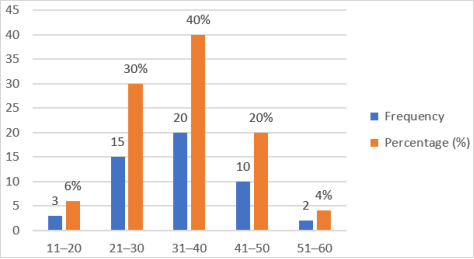
Figure 1. Age distribution of Patients with Thyroid Swelling (n=50).
Figure 1 shows the age distribution of patients with thyroid swelling. The highest number of patients belonged to the 31–40 years age group 20 (40%), followed by 21–30 years 15 (30%). The lowest frequency was observed in the 51–60 years age group 2 (4%).
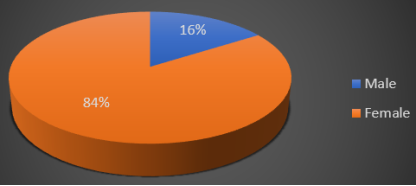
Figure 2. Gender distribution of Patients with Thyroid Swelling (n=50).
Figure 2 demonstrates the gender distribution of the patients. Females were predominant 42 (84%), whereas males constituted 8 (16%), showing a marked female preponderance.
Table 1. Clinical Presentation and Duration of Symptoms (n=50).

Variable

Frequency

Percentage (%)

Symptoms

Neck swelling

50

100

Pain

3

6

Dysphagia

4

8

Dyspnoea

1

2

Voice change

0

0

Cervical lymphadenopathy

1

2

Duration of symptoms

6 months–2 years

24

48

2–4 years

16

32

4–6 years

6

12

6–8 years

2

4

8–10 years

2

4

Table 1 presents the clinical presentation and symptom duration. All patients presented with neck swelling. Associated symptoms included dysphagia in 4 (8%), pain in 3 (6%), dyspnoea in 1 (2%), and cervical lymphadenopathy in 1 (2%) case. Most patients, 24 (48%), sought treatment within 6 months to 2 years of symptom onset.
Table 2. Types of Thyroid Swelling and Ultrasonographic Findings (n=50).

Variable

Category

Number of Cases

Percentage (%)

Type of Swelling

Solitary nodular goitre

15

30

Multinodular goitre

34

68

Diffuse goitre

1

2

USG Findings

Solid nodule

35

70

Cystic nodule

15

30

Table 2 presents the types of thyroid swelling and ultrasonographic findings. Multinodular goitre was the commonest type 34 (68%), followed by solitary nodular goitre 15 (30%). On ultrasonography, solid nodules were found in 35 (70%) patients and cystic nodules in 15 (30%).
Table 3. Preoperative FNAC Findings (n=50).

FNAC Diagnosis

Number of Cases

Percentage (%)

Colloid goitre

38

76

Follicular neoplasm

6

12

Papillary carcinoma

6

12

Medullary carcinoma

0

0

Anaplastic carcinoma

0

0

Table 3 shows the FNAC findings. Colloid goitre was the most common diagnosis in 38 (76%) patients. Follicular neoplasm and papillary carcinoma were each reported in 6 (12%) cases.
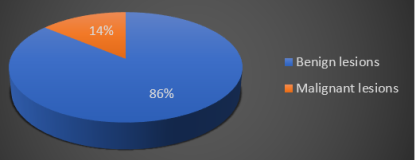
Figure 3. Histopathological diagnosis of the study respondents (n=50).
Figure 3 demonstrates the final histopathological diagnosis. Benign lesions were found in 43 (86%) cases, while malignant lesions were identified in 7 (14%) cases.
Table 4. Histological pattern of malignant lesions (n=7).

Malignant Histological Type (n=7)

Number

Percentage (%)

Papillary carcinoma

6

85.71

Follicular carcinoma

1

14.29

Table 4 shows the histological pattern of malignant lesions. Papillary carcinoma was the most common malignant tumor 6 (85.71%), followed by follicular carcinoma 1 (14.29%).
Table 5. Malignancy in Relation to Age and Sex (n=50).

Variable

Total Cases

Malignant Cases

Percentage (%)

Male

8

2

25

Female

42

5

11.9

11–20 years

3

1

33.33

21–30 years

15

3

20

31–40 years

20

2

10

41–50 years

10

0

0

51–60 years

2

1

50

Table 5 illustrates malignancy in relation to age and sex. Malignancy was proportionately higher among males 25% compared to females 11.9%. Higher malignant rates were observed in the extreme age groups.
Table 6. Surgical Management of Thyroid Swelling (n=50).

Type of Surgery

Benign Cases

Malignant Cases

Total

Percentage (%)

Hemithyroidectomy

30

0

30

60

Subtotal thyroidectomy

8

0

8

16

Total thyroidectomy

5

6

11

22

Total thyroidectomy with neck dissection

0

1

1

2

Table 6 presents the surgical management of thyroid swelling. Hemithyroidectomy was the most frequently performed procedure 30 (60%), followed by total thyroidectomy 11 (22%). Total thyroidectomy with neck dissection was performed in 1 (2%) malignant case.
6. Discussion
The present study was conducted to evaluate the patterns of presentation and surgical management of thyroid swellings with suspected malignancy in hospitalized patients admitted to the Department of ENT and Head-Neck Surgery, Rajshahi Medical College Hospital. Thyroid malignancy is the commonest endocrine malignancy and accounts for nearly 1% of all cancers worldwide. Previous reports have shown that malignancy occurs in approximately 10% of thyroid swellings, underscoring the importance of proper evaluation and timely surgical intervention. In this study, the age of the patients ranged from 11 to 59 years. The highest number of patients belonged to the 31–40 years age group (40%), followed by the 21–30 years age group (30%). Similar findings were reported in other studies, in which thyroid swelling was more common in the third and fourth decades of life. Islam et al. also reported that most patients with thyroid swelling were between 21 and 40 years of age. The youngest patient in the present series was an 11-year-old female diagnosed with papillary carcinoma, while the oldest patient was a 59-year-old male with follicular carcinoma. This observation supports earlier reports that malignant thyroid lesions may occur more frequently in the extreme age groups. Female predominance was evident in this study. Of 50 patients, 42 (84%) were female, and 8 (16%) were male, with a female-to-male ratio of 5.25: 1. This finding is consistent with previous studies reporting that thyroid disorders are more common in females than in males. Hormonal influence, autoimmune susceptibility, and increased healthcare-seeking behavior among women may explain this female predominance. However, despite a lower frequency in males, the incidence of malignancy was proportionately higher among male patients (25%) than among female patients (11.9%), as supported by previous literature. Most of the patients in this study belonged to middle-class families (70%), followed by poor (24%) and upper-class (6%). This may reflect the patient population commonly attending tertiary government hospitals, where middle-income and economically disadvantaged groups seek specialized care. Regarding clinical presentation, all patients presented with neck swelling, which remains the most common symptom of thyroid disease. Associated symptoms included dysphagia in 4 (8%) patients, pain in 3 (6%), dyspnoea in 1 (2%), and cervical lymphadenopathy in 1 (2%) case. Most patients (48%) presented within two years of onset of swelling. Thyroid swellings of shorter duration appeared to have a relatively higher association with malignancy, whereas swellings of medium and long duration were more commonly benign. Similar observations have been reported by previous authors. One patient presented with cervical lymphadenopathy along with thyroid swelling and was subsequently diagnosed with papillary carcinoma. Cervical nodal metastasis is a recognized feature of papillary thyroid carcinoma and may occasionally be the presenting manifestation. In this study, dysphagia and dyspnoea were mainly observed in patients with multinodular goitre. Large multinodular goitres may cause compressive symptoms due to pressure effects on the trachea or esophagus. Therefore, pressure symptoms should be considered important indications for surgical treatment. Among the types of thyroid swelling, multinodular goitre was the commonest presentation, found in 34 (68%) patients, followed by solitary nodular goitre in 15 (30%) and diffuse goitre in 1 (2%) patient. Although multinodular goitre was more frequent overall, solitary thyroid nodules are generally considered more suspicious for malignancy. Clinical suspicion increases in the presence of hard irregular nodules, male sex, hoarseness of voice, palpable cervical lymph nodes, and extreme ages. Ultrasonographic evaluation showed that 35 (70%) nodules were solid and 15 (30%) were cystic. Solid nodules demonstrated a greater tendency toward malignancy than cystic nodules. Similar findings have been reported in previous studies where solid thyroid nodules were considered more likely to be malignant than cystic lesions. Ultrasonography also remains useful for assessing number of nodules, echotexture, size, and clinically occult lesions. Fine Needle Aspiration Cytology (FNAC) was performed routinely in all patients. It revealed colloid goitre in 38 (76%) patients, follicular neoplasm in 6 (12%), and papillary carcinoma in 6 (12%) cases. FNAC is regarded as an important, minimally invasive, and highly effective preoperative diagnostic tool in thyroid swelling. Chandanwale et al. reported high sensitivity and specificity of FNAC in thyroid lesions. Basharat et al. also reported excellent diagnostic performance of FNAC. However, FNAC cannot reliably distinguish follicular adenoma from follicular carcinoma, as histological evidence of capsular or vascular invasion is required for definitive diagnosis. All patients in the present series underwent surgical treatment. Hemithyroidectomy was the most commonly performed operation in 30 (60%) patients, followed by total thyroidectomy in 11 (22%), subtotal thyroidectomy in 8 (16%), and total thyroidectomy with neck dissection in 1 (2%) patient. Most benign lesions were treated with hemithyroidectomy or subtotal thyroidectomy, whereas malignant lesions were primarily managed with total thyroidectomy. This approach is consistent with accepted surgical principles for thyroid malignancy. Postoperative complications were more frequently associated with extensive procedures such as total thyroidectomy and neck dissection. Hypocalcaemia was more common after total thyroidectomy, while recurrent laryngeal nerve injury occurred in one patient following total thyroidectomy with neck dissection. Minor complications such as reactionary hemorrhage and wound infection were also observed after limited surgery. These findings are consistent with the recognized influence of extent of surgery on postoperative morbidity. Final diagnosis in this study was based on histopathological examination. Benign lesions were found in 43 (86%) patients, while malignant lesions were identified in 7 (14%) patients. Among malignant lesions, papillary carcinoma was the commonest type, accounting for 6 (85.71%) cases, followed by follicular carcinoma in 1 (14.29%) case. Similar findings were reported by Hussain et al., who observed thyroid malignancy in 14.3% of cases. G. A. Khairy reported a malignancy rate of 13.9%. Tarrar et al. found malignant lesions in 13.33% of thyroid nodules. Islam et al. reported a higher rate of 18.65%, while another Bangladeshi study found 21.11%. Differences in incidence may be due to variations in sample size, selection criteria, geographic factors, and study duration. The present study demonstrates that although the majority of thyroid swellings are benign, a considerable proportion harbor malignancy. Therefore, every thyroid swelling should be carefully evaluated with detailed history, clinical examination, ultrasonography, FNAC, and histopathology, where indicated. Early diagnosis and appropriate surgical management are essential for improving patient outcomes in thyroid swellings with suspected malignancy.
7. Limitations of the Study
This study had several limitations. Firstly, it was a single-center hospital-based cross-sectional study conducted at Rajshahi Medical College Hospital, which may limit the generalizability of the findings to the wider population. Secondly, the sample size was relatively small (n=50), which may reduce the precision of estimates regarding incidence of malignancy. Thirdly, the study duration was short, and long-term follow-up after surgery was not included. Fourthly, only admitted patients who underwent surgery were enrolled; therefore, conservatively managed thyroid swellings were not represented, creating possible selection bias. Finally, advanced diagnostic modalities and molecular investigations were not routinely available in all cases.
8. Conclusion
The present study demonstrated that the majority of thyroid swellings were benign; however, a significant proportion (14%) were malignant. Thyroid swelling was more common in females and most frequently occurred in the third and fourth decades of life, while the relative risk of malignancy was higher among males and at extreme ages. Multinodular goitre was the most common clinical presentation, whereas papillary carcinoma was the predominant malignant lesion. FNAC and ultrasonography were valuable preoperative diagnostic tools, and histopathology remained the definitive method of diagnosis. Hemithyroidectomy was the most commonly performed operation overall, while total thyroidectomy was the principal procedure for malignant cases. Early evaluation and appropriate surgical management of suspicious thyroid swellings are essential for timely diagnosis and improved patient outcomes.
Abbreviations

FNAC

Fine Needle Aspiration Cytology

USG

Ultrasonography

ENT

Ear, Nose and Throat

CT

Computed Tomography

SPSS

Statistical Package for Social Science

WHO

World Health Organization

ICCIDD

International Council for Control of Iodine Deficiency Disorders

IDD

Iodine Deficiency Disorder

BSMMU

Bangabandhu Sheikh Mujib Medical University

IPGM&R

Institute of Post Graduate Medicine and Research

Author Contributions
Muhammad Kamrul Hasan: Conceptualization, Data curation, Investigation, Methodology, Writing – original draft
Rifat Anwar Shishi: Formal analysis, Validation, Visualization, Writing – review & editing
Shihab Uddin: Investigation, Data curation, Resources, Writing – review & editing
Rizvan Forhad: Methodology, Project administration, Supervision, Validation, Writing – review & editing.
Conflicts of Interest
The authors declare no conflicts of interest.
References
[1] Moosa FA, Junaid M, Khan FW et al. prevalence of malignancy in resected specimen of patients operated for benign nodular goitre, Pakistan Journal of Surgery. 2007; 23(2): 129-132.
[2] International council for control of Iodine deficiency disorder (ICCIDD). IDD news letter 1996; 12: 1-3.
[3] Sharma D, Sharma N, Sharma P, Promal R. Incidence of thyroid malignancy among goirous thyroid swellings in Rajasthan. 2014; 3(2): 1727-1733.
[4] Sidhom S, Alaa M, Salah M Askary EE. General Surgery dept. Faculty of Medicine, Zagazig university. Incidence of Malignancy in Thyroid swellings. Z. U. M. 2012; 18(9): 880.
[5] Htwe TT, Hamdi M, Swethadri G. K. Wong Jol, Soe MM, Abdullah MS. Incidence of malignancy among Goitrous thyroid lesions from the sarawak General Hospital. Singapore Med J 2009; 50(7): 724-728.
[6] Htwe TT, thyroid malignancy among goitrous thyroid lesions: a review of hospital based studies in Malaysia and Myanmar. Singapore Med J 2012; 53(3): 159-169.
[7] Riccabona G. Thyriid cancer and endemic goiter. In: Stanbury JB, Hatzel BS, eds. Endemic Goiter and Endemic Cretinism. New Your: John Wiley and Sons, 1980; 333-50.
[8] Tarrar AM, Madiha D, Ilyas S. Solitary thyroid nodule; Frequency of amlignancy at combined military hospital Rawalpindi. Proffetional Med J 2010; 17(4): 598-602.
[9] Shaheen OH, The thyroid gland. In scott-Browns otolaryngology, Laryngology & Head & Neck surgery, 6th edition: Reed educational and professional publishing Ltd.-1997; Page 18/1-24.
[10] John M Chaplin, NEIL Sharma and John C Watkinson; Surgical Management of differentiated thyroid cancer. Stell and maran’s textbook of head neck surgery and oncology. Hodder and stoughton ltd.-2012: 5th edition: c-3, p-422-452.
[11] Ramsben J and watkinson JC, Thyroid Cancer. In Scott-Brown’s Otolaryngology Head and neck surgery. 7th edition; Edward Arnold Ltd.-2008; p-2663-2701.
[12] Williams NS Christopher J. K; The thyroid and The parathyroid gland. Bailey & Love’s short practice of surgery 26th edition; c-51; CRP press Ltd.-2013; p-741-776.
[13] Mackenzie E and Mortimen RH. MJA Practice essentials endocrinology. Thyriod Nodules and thyroid cancer. 2004; 180: 246.
[14] Mazumder et. al, Management of Thyroid Cancer: A Brief Review of Selected Literature, July 2005, Vol. 05, No. 01, P-33-37.
[15] Huque et. al, Histopathological pattern of malignancy in solitary thyroid nodule, Bangladesh J Otorhinolaryngol 2012; 18(1): 5-10.
[16] Rain AJH, Charles VM. The thyroid gland and the thyroglossal tract. Bailey and love's short practice of surgery, Twenty third ed: ELBS, 2000; 707-33.
[17] Miller JM. Evalution of thyroid nodules. Surg Clin N. Am, 1985; 69(5): 1063-76.
[18] IslamR, Ekramudduala AFM, Allam C, Kabir MS, Hssain D. Frequency and pattern of mallignancy in solitary thyroid nodule. Bangladesh J of Otolaryngology; 2009; 15(1): 1-5.
[19] Hard JD. The thyroid gland. Hardy's text book of surgery, First edition: JB Lippincott Company, 1983; 371-93.
[20] Browse NL. The thyroid gland. An introduction to the symptoms and signs of surgical disease, Third edition: London ELBS, 1998; 266-8.
[21] Harmo J, Calrk OH. Significance of lymph node metastasis in differentiated thyroid cancer. AMJ, 1978; 136: 107-12.
[22] Kendel LW, London RE. Prediction of malignancy in a solitary thyroid nodule. Lancet, 1969; 1: 1071-3.
[23] Cady B, Sedgwick CE, Meissner WA et al. Risk factor analysis in differentiated thyroid cancer. Cancer, 1979; 10(6): 230-7.
[24] Stark DD, Clark OH, Gooding GAW, Moss AA. High resolution ultrasonography and computed tomography of thyroid lesions in patients with hyperparathyroidism. Surgery, 1983; 94: 245-52.
[25] Ashcraft MW, Van Herle AJ. Managment of thyroid nodule. Head and Neck surgery, 1981; 3: 216-97.
[26] Block MA, Dailey GE, Robb JA. Thyroid nodule indeterminate by needle biopsy. Am J Surg, 1983; 20: 113-203.
[27] Chandanwale S et al. Research article: Clinicopathological correlation of thyroid nodules. Int J Pharm Biomed Sci 2012; 3(3), 97-102.
[28] Basharat R, HossainM, Saeed S, Hamid T. Comparison of fine needle aspiration cytology and thyroid scan in solitary thyroid nodule. SAGE-Hindawai Access to Research Pathology Research International 2011; 9.
[29] Hussain N, Anwar M, Nadia N. Pettern of surgically treated thyroid disease in karachi. Biomedica, 2005; vol. 21.
[30] Khairy GA. Solitary thyroid nodule: the risk of cancer and the extent of surgical therapy. East African medical journal; 2004; 81(9), 459-461.
[31] Islam MS, Siddiquee BH, Akter N. Comperative study of FNAC and histopathologicaly in the diagnosis of thyroid swelling. Bangladesh J Otorhinolaryngol 2010; 16(1): 35-43.
Cite This Article
  • APA Style

    Hasan, M. K., Shishi, R. A., Uddin, S., Forhad, R. (2026). Patterns of Presentation and Surgical Management of Thyroid Swellings with Suspected Malignancy. International Journal of Otorhinolaryngology, 12(1), 31-39. https://doi.org/10.11648/j.ijo.20261201.16

    Copy | Download

    ACS Style

    Hasan, M. K.; Shishi, R. A.; Uddin, S.; Forhad, R. Patterns of Presentation and Surgical Management of Thyroid Swellings with Suspected Malignancy. Int. J. Otorhinolaryngol. 2026, 12(1), 31-39. doi: 10.11648/j.ijo.20261201.16

    Copy | Download

    AMA Style

    Hasan MK, Shishi RA, Uddin S, Forhad R. Patterns of Presentation and Surgical Management of Thyroid Swellings with Suspected Malignancy. Int J Otorhinolaryngol. 2026;12(1):31-39. doi: 10.11648/j.ijo.20261201.16

    Copy | Download

  • @article{10.11648/j.ijo.20261201.16,
      author = {Muhammad Kamrul Hasan and Rifat Anwar Shishi and Shihab Uddin and Rizvan Forhad},
      title = {Patterns of Presentation and Surgical Management of Thyroid Swellings with Suspected Malignancy},
      journal = {International Journal of Otorhinolaryngology},
      volume = {12},
      number = {1},
      pages = {31-39},
      doi = {10.11648/j.ijo.20261201.16},
      url = {https://doi.org/10.11648/j.ijo.20261201.16},
      eprint = {https://article.sciencepublishinggroup.com/pdf/10.11648.j.ijo.20261201.16},
      abstract = {Background: Thyroid swelling is a common clinical problem and may arise from benign or malignant conditions. Although most thyroid swellings are benign, a significant proportion may harbor malignancy, requiring timely diagnosis and appropriate surgical management. Objective: To evaluate the patterns of presentation and surgical management of thyroid swellings with suspected malignancy. Methods: This observational cross-sectional study was conducted in the Department of ENT and Head neck- surgery, Rajshahi Medical College Hospital, Rajshahi, Bangladesh from June 2014 to December 2014. A total of 50 patients with clinically and ultrasonographically diagnosed thyroid swelling who subsequently underwent thyroidectomy were included. Detailed history, clinical examination, thyroid function tests, ultrasonography, Fine Needle Aspiration Cytology (FNAC), and histopathological examination were performed. Data were analyzed using descriptive statistics. Results: The age of the patients ranged from 11 to 59 years, with the highest frequency in the 31–40 years age group (40%). Females predominated (84%), with a female to male ratio of 5.25: 1. Neck swelling was present in all patients, while dysphagia (8%), pain (6%), and dyspnoea (2%) were less common. Multinodular goitre was the most frequent type of thyroid swelling (68%), followed by solitary nodular goitre (30%). Ultrasonography revealed solid nodules in 70% cases. FNAC showed colloid goitre in 76% cases. Histopathology confirmed benign lesions in 86% and malignant lesions in 14% cases. Papillary carcinoma was the commonest malignancy (85.71%). Hemithyroidectomy was the most common surgery (60%). Conclusion: Most thyroid swellings were benign; however, a considerable proportion were malignant. Careful preoperative evaluation and appropriate surgical management are essential for early diagnosis and better outcomes.},
     year = {2026}
    }
    

    Copy | Download

  • TY  - JOUR
    T1  - Patterns of Presentation and Surgical Management of Thyroid Swellings with Suspected Malignancy
    AU  - Muhammad Kamrul Hasan
    AU  - Rifat Anwar Shishi
    AU  - Shihab Uddin
    AU  - Rizvan Forhad
    Y1  - 2026/05/19
    PY  - 2026
    N1  - https://doi.org/10.11648/j.ijo.20261201.16
    DO  - 10.11648/j.ijo.20261201.16
    T2  - International Journal of Otorhinolaryngology
    JF  - International Journal of Otorhinolaryngology
    JO  - International Journal of Otorhinolaryngology
    SP  - 31
    EP  - 39
    PB  - Science Publishing Group
    SN  - 2472-2413
    UR  - https://doi.org/10.11648/j.ijo.20261201.16
    AB  - Background: Thyroid swelling is a common clinical problem and may arise from benign or malignant conditions. Although most thyroid swellings are benign, a significant proportion may harbor malignancy, requiring timely diagnosis and appropriate surgical management. Objective: To evaluate the patterns of presentation and surgical management of thyroid swellings with suspected malignancy. Methods: This observational cross-sectional study was conducted in the Department of ENT and Head neck- surgery, Rajshahi Medical College Hospital, Rajshahi, Bangladesh from June 2014 to December 2014. A total of 50 patients with clinically and ultrasonographically diagnosed thyroid swelling who subsequently underwent thyroidectomy were included. Detailed history, clinical examination, thyroid function tests, ultrasonography, Fine Needle Aspiration Cytology (FNAC), and histopathological examination were performed. Data were analyzed using descriptive statistics. Results: The age of the patients ranged from 11 to 59 years, with the highest frequency in the 31–40 years age group (40%). Females predominated (84%), with a female to male ratio of 5.25: 1. Neck swelling was present in all patients, while dysphagia (8%), pain (6%), and dyspnoea (2%) were less common. Multinodular goitre was the most frequent type of thyroid swelling (68%), followed by solitary nodular goitre (30%). Ultrasonography revealed solid nodules in 70% cases. FNAC showed colloid goitre in 76% cases. Histopathology confirmed benign lesions in 86% and malignant lesions in 14% cases. Papillary carcinoma was the commonest malignancy (85.71%). Hemithyroidectomy was the most common surgery (60%). Conclusion: Most thyroid swellings were benign; however, a considerable proportion were malignant. Careful preoperative evaluation and appropriate surgical management are essential for early diagnosis and better outcomes.
    VL  - 12
    IS  - 1
    ER  - 

    Copy | Download

Author Information